Progress in nanolubricant additive is crucial to pursuit of energy saving and sustainable development. For enhancing lubrication efficiency of pentaerythritol ester (PETE) oil, we synthesized zero-dimensional/two-dimensional (0D/2D) carbon dots(CD)@Ti3C2Tx-MXene hybrid composites using a facial hydrothermal method, which gave full play to interlayer shear mechanism of Ti3C2Tx-MXene, repair effect of carbon dots and their potential synergy. The composites were added to PETE as lubricating additives, during which ultrasonic treatment was employed to enhance the dispersion stability. The frictional tests confirmed that the addition of CD@Ti3C2Tx resulted in significant reductions in friction and wear across varying temperatures owing to the ultrasmall size, interlayer sliding, and synergistic effect. The optimal concentration of 0.1 wt % of CD@Ti3C2Tx reduced friction coefficients and wear volumes of PETE by 54.5% and 57.6% at 25 °C, 53.3% and 54.3% at 100 °C, and 40.0% and 45.9% at 200 °C, respectively. A tribofilm induced by complex tribochemical reactions, mainly consisting of carbon dots, Ti3C2Tx, metal oxides, carbides, and nitrides, was generated at the contact interface, which significantly alleviated direct contact between the rubbing pair. This study explores the potential of CD@Ti3C2Tx for development of advanced lubricating materials and is expected to contribute to wider adoption of MXene-based materials in the field of tribology.The CD@Ti3C2Tx composites as high-performance oil additives can be expected to enhance lubrication sustainability by improving lubrication efficiency with less harmful substance consumption and emission.
周老师: 13321314106
王老师: 17793132604


邮箱号码: lub@licp.cas.cn





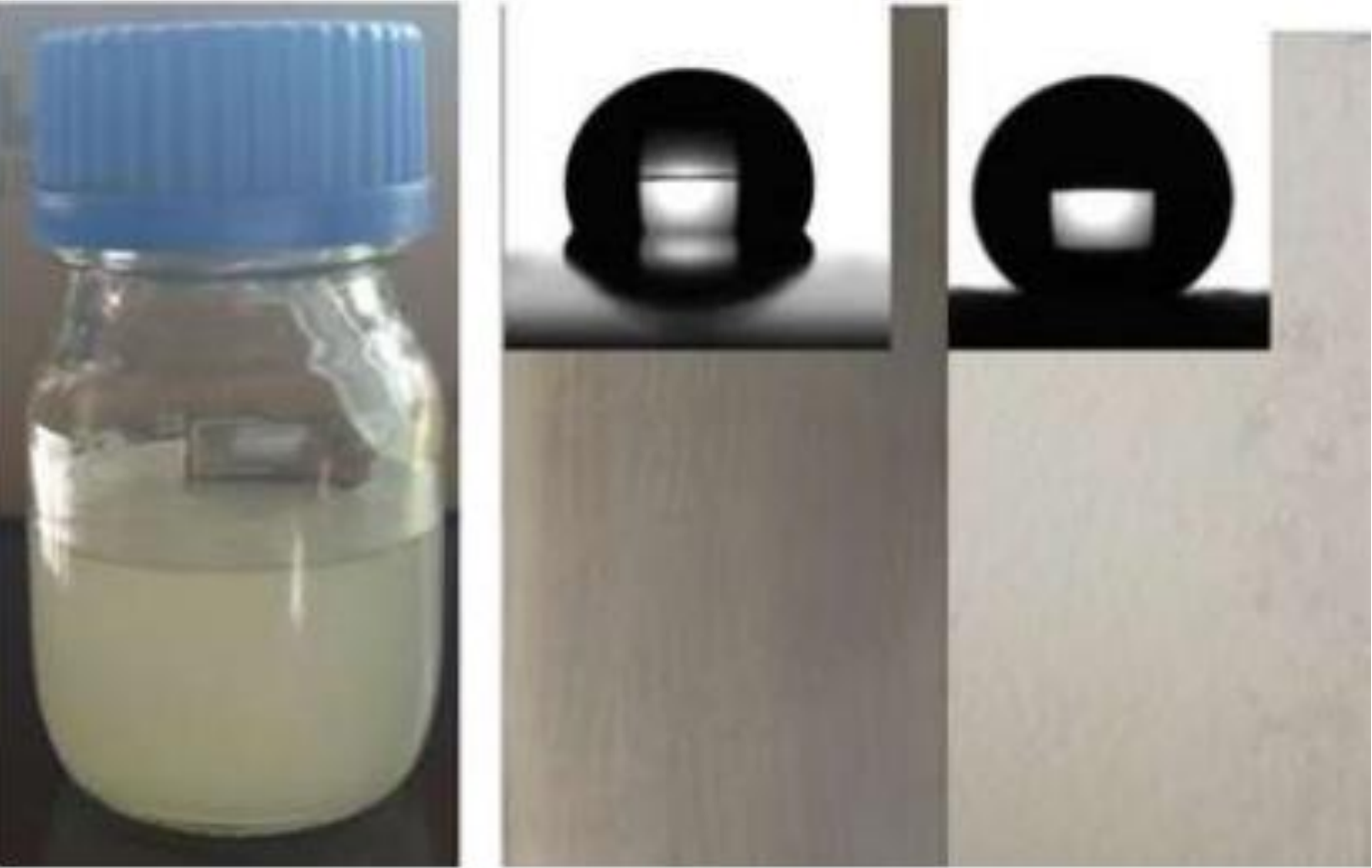
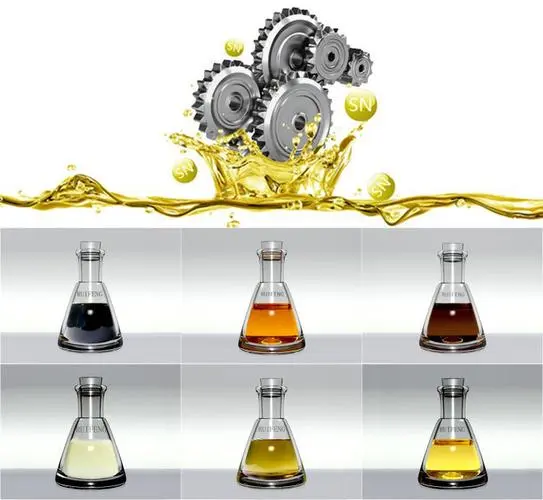 润滑剂
润滑剂
 润滑油添加剂
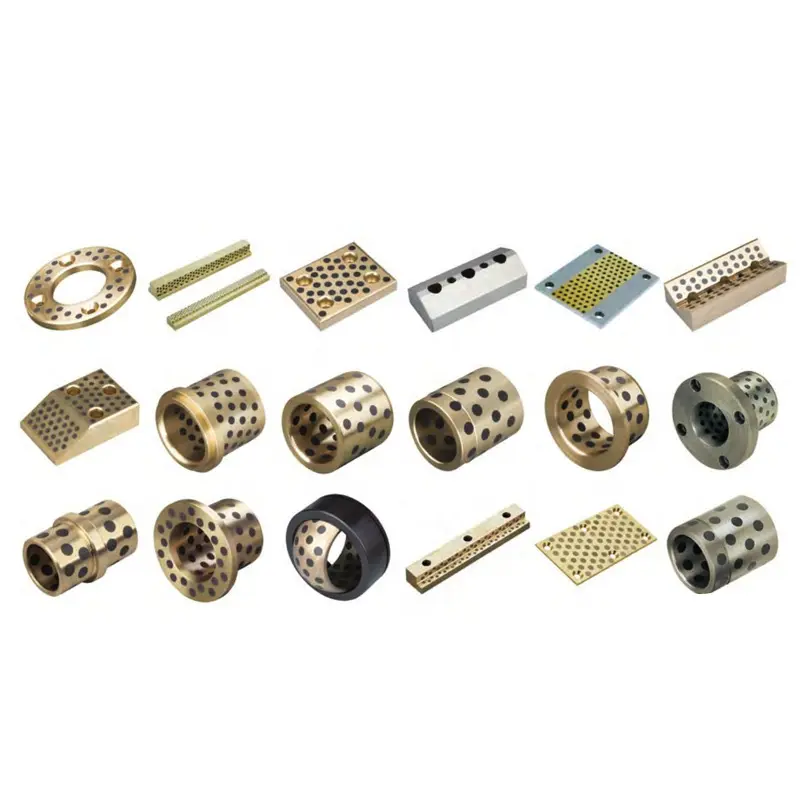 自润滑材料
自润滑材料
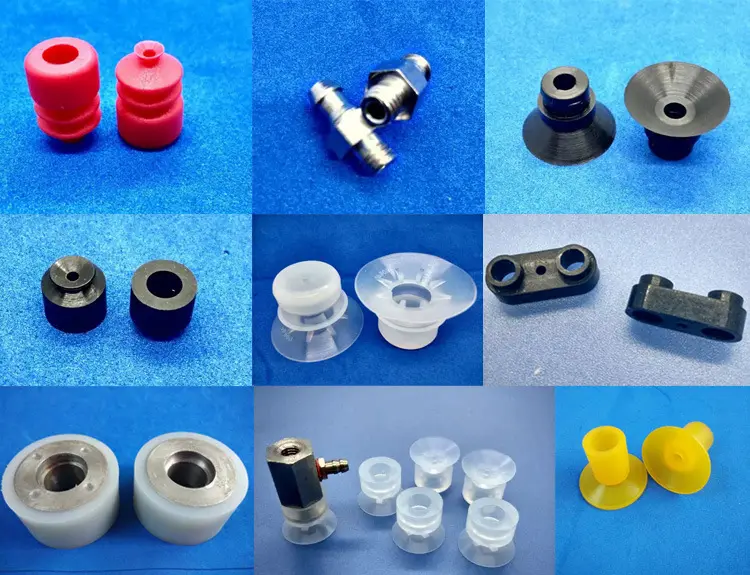 密封材料
密封材料
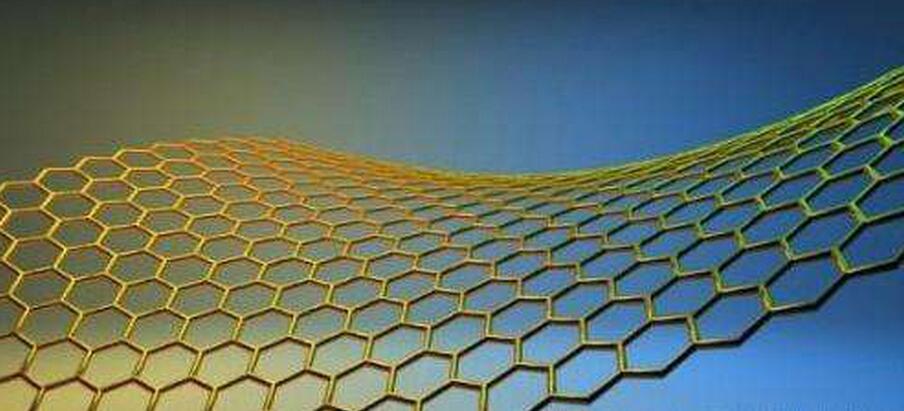 新兴材料
新兴材料
 加工设备
加工设备
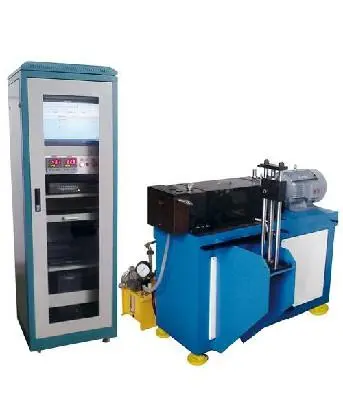 摩擦试验机
摩擦试验机
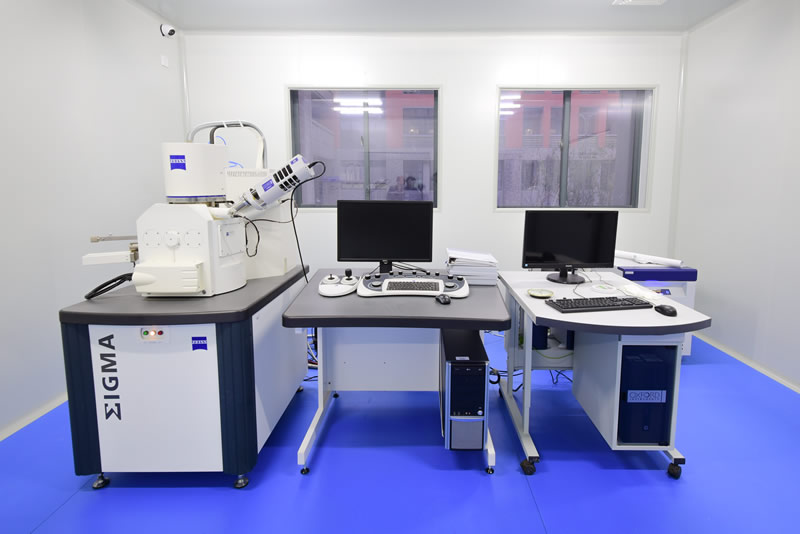 大型表征仪器
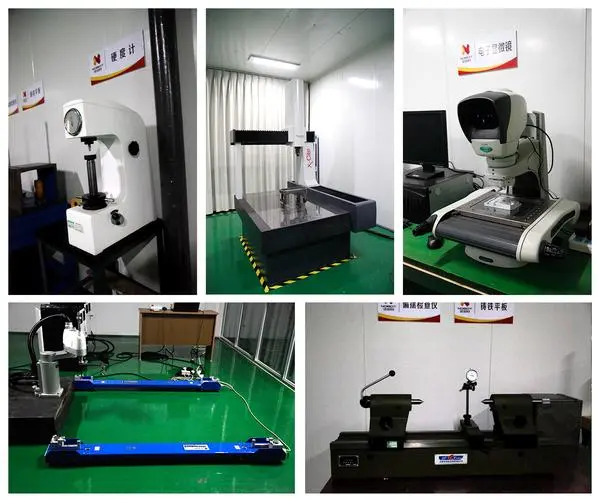 小型测试设备