The thermal control of peristaltic blood flow in a curved duct under a magnetic field is a relatively unexplored phenomenon. This research fills this gap by proposing the use of a blood-based hybrid nanofluid. The blood flow is assumed to be a non-Newtonian fluid, modelled by the Casson fluid model. It is mixed with gold (20 nm) and iron oxide (25 nm) nanoparticles. The equations are expressed in a cylindrical coordinate system in order to account for the curved nature of the duct. Peristaltic waves are considered to propagate along the wall. The governing equations are obtained using the low Reynolds number approximation (Reynolds number Re) and long wavelength approximation. The finite element method (FEM) with Python programming is applied for solving the resulting strongly nonlinear partial differential equations. The obtained results are also utilized to analyze the irreversibility of the system. The main findings indicate that increasing the aspect ratio enhances the blood flow velocity at the central part. It is found that the mono nanofluid has more improvement in central velocity compared to the hybrid nanofluid. Optimal control of the magnetic parameter and duct wall elasticity can enhance the flow efficiency. It also results in a reduction of thermal losses and thermodynamic irreversibilities.
周老师: 13321314106
王老师: 17793132604


邮箱号码: lub@licp.cas.cn





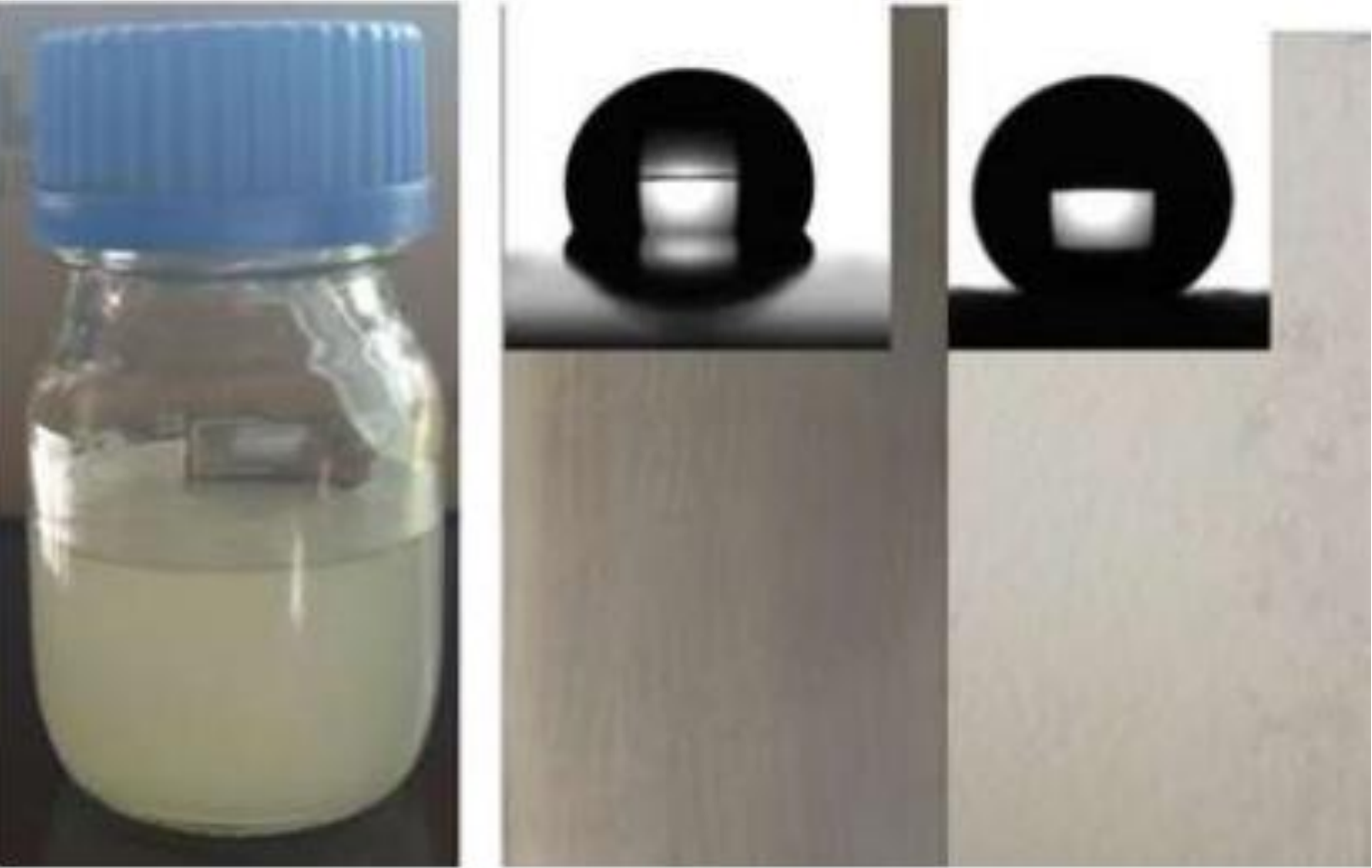
 润滑剂
润滑剂
 润滑油添加剂
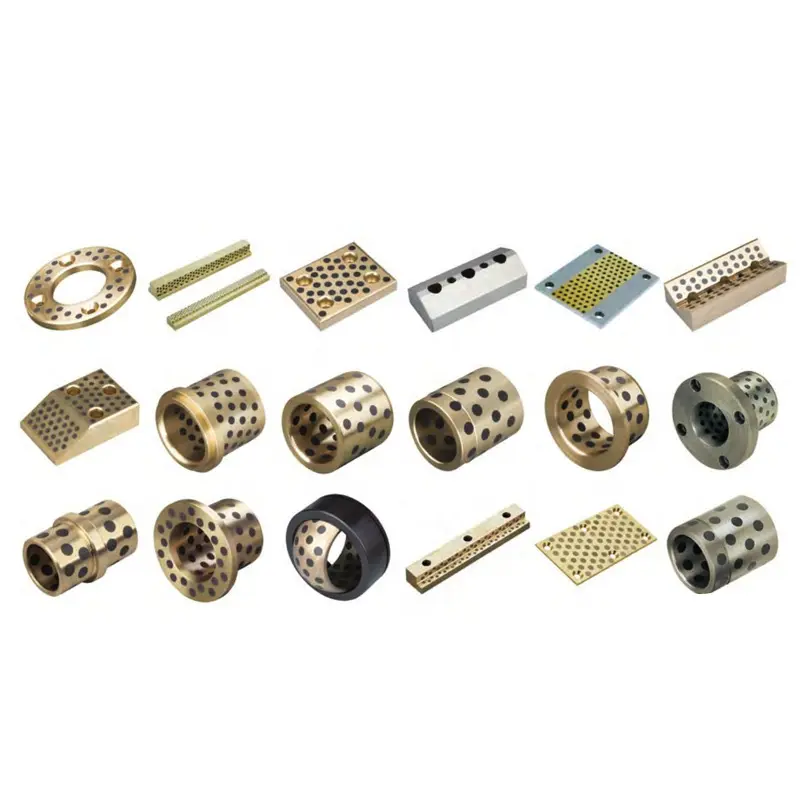 自润滑材料
自润滑材料
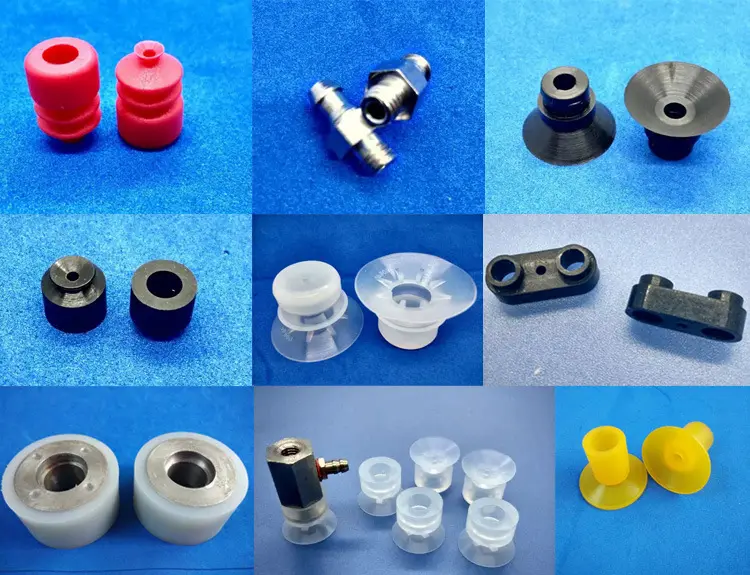 密封材料
密封材料
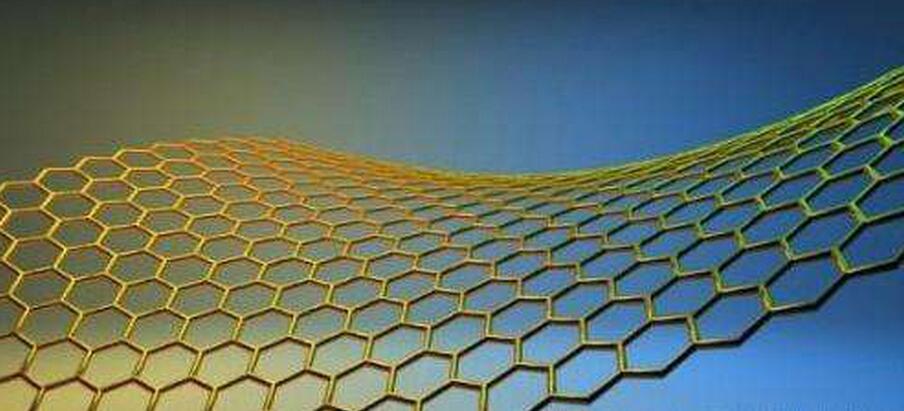 新兴材料
新兴材料
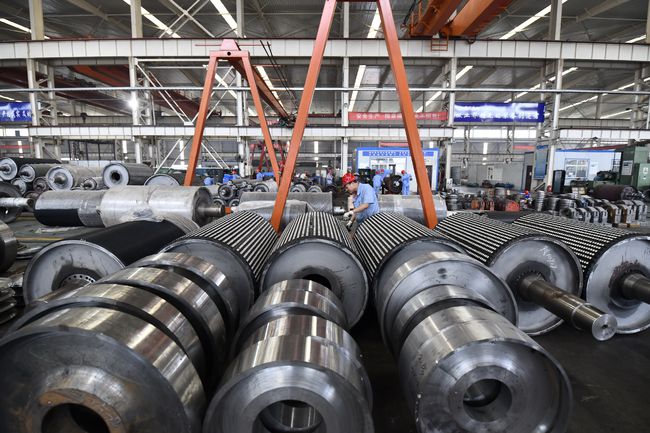 加工设备
加工设备
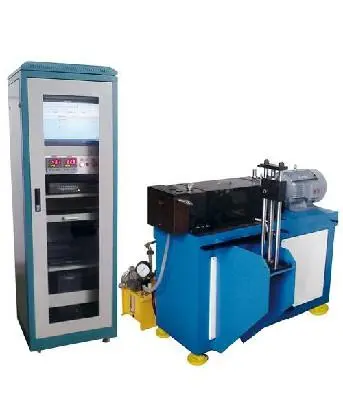 摩擦试验机
摩擦试验机
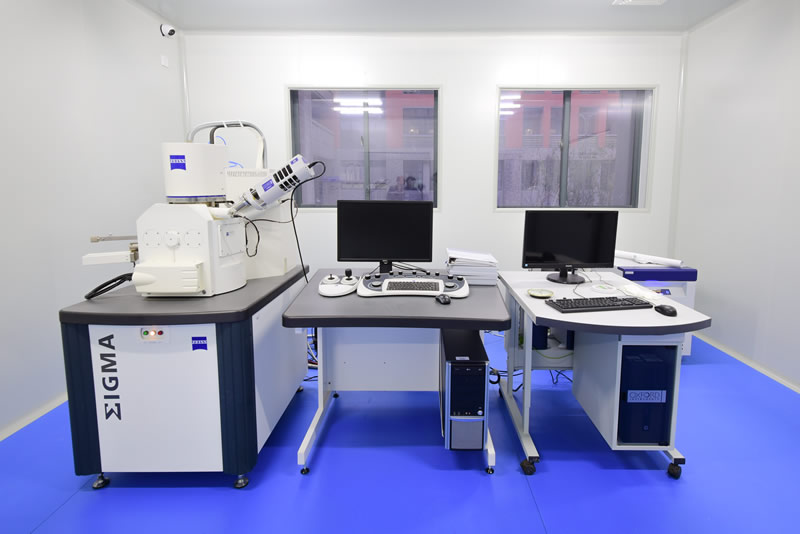 大型表征仪器
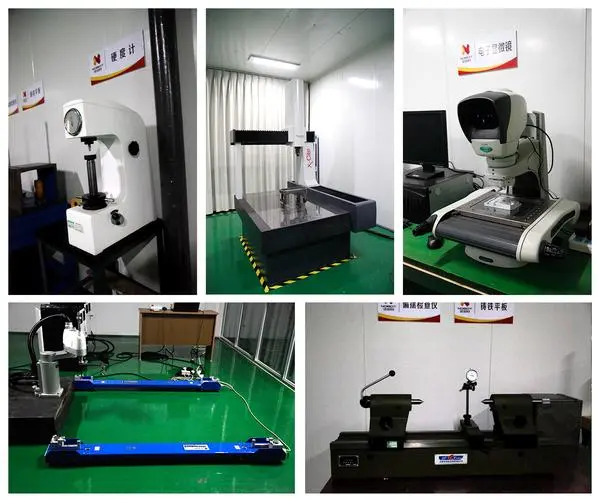 小型测试设备