Antibody–drug conjugates (ADCs) have significantly advanced cancer therapy by enabling the selective delivery of cytotoxic agents to tumour cells. However, ADC efficacy remains constrained by its dependence on a single target antigen, which limits tumour targeting and promotes resistance in heterogeneous tumours with variable and low antigen expression1,2,3,4,5,6. Here we introduce an in vivo bioorthogonal ligation strategy that generates functional antibody–ADC click constructs following systemic administration. This platform provides a modular and translatable approach for enhanced targeted drug delivery in heterogeneous tumours. We conjugate therapeutic antibodies and ADCs with trans-cyclooctene and tetrazine moieties for sequential administration to enable in vivo ligation of an antibody with an ADC after systemic delivery. The antibody–ADC click approach demonstrated improved antitumour activity relative to standard ADC monotherapy or antibody plus ADC combinations in preclinical models of HER2 and EGFR co-expression. These included tumours with low, ultralow, negative or heterogeneous HER2 expression and resistant or ineligible for conventional HER2-directed ADCs. This modular strategy leverages receptor biology and bioorthogonal chemistry for optimal therapeutic efficacy and does not require extensive antibody re-engineering. Moreover, the antibody–ADC click approach can be extended to other receptor pairs, which makes it a flexible modular platform to address heterogeneity and resistance to targeted therapies across different tumour types.
周老师: 13321314106
王老师: 17793132604


邮箱号码: lub@licp.cas.cn




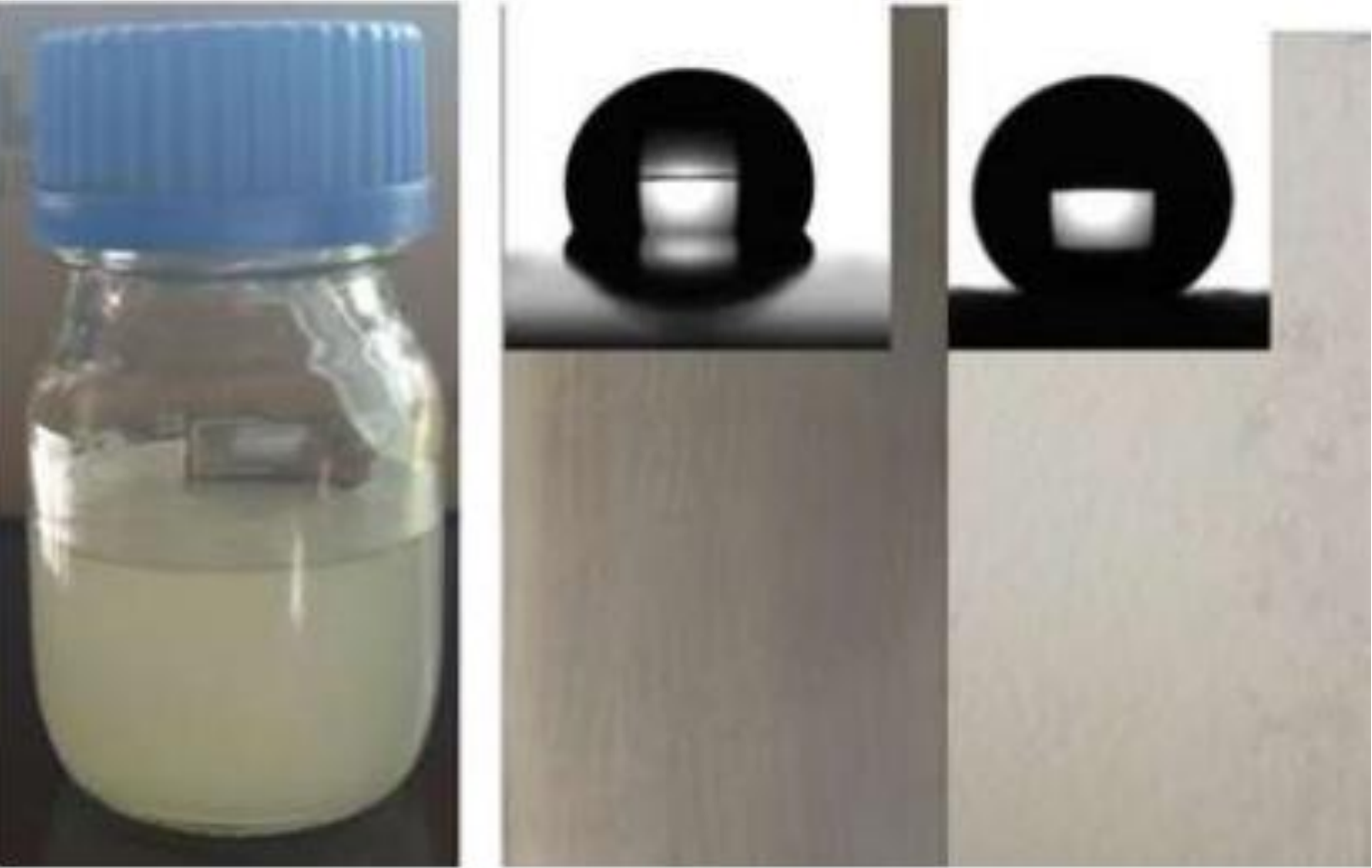
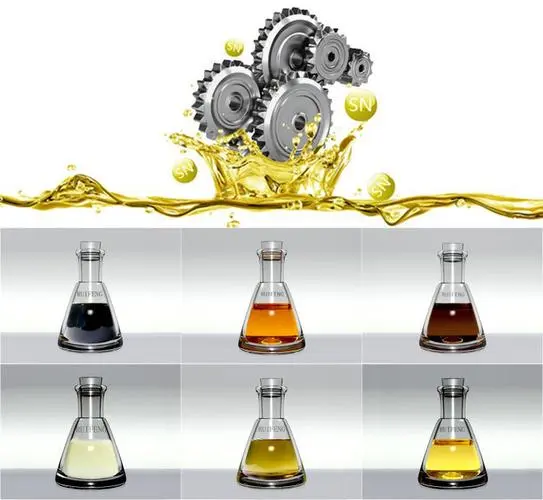 润滑剂
润滑剂
 润滑油添加剂
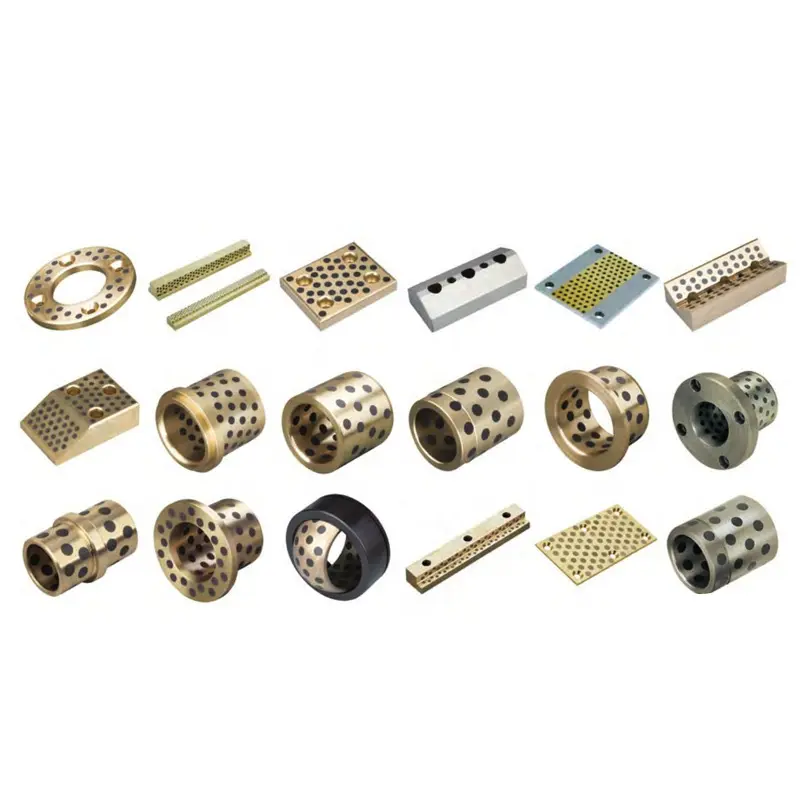 自润滑材料
自润滑材料
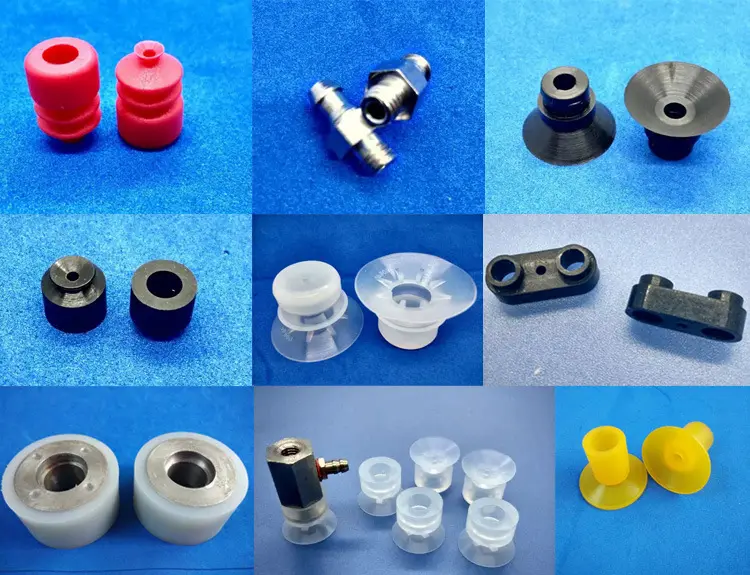 密封材料
密封材料
 新兴材料
新兴材料
 加工设备
加工设备
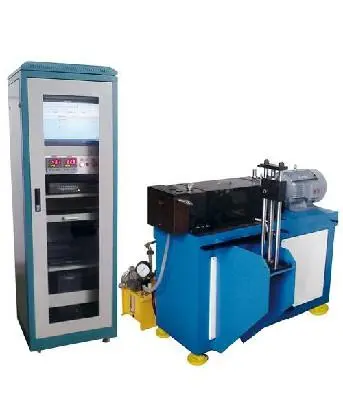 摩擦试验机
摩擦试验机
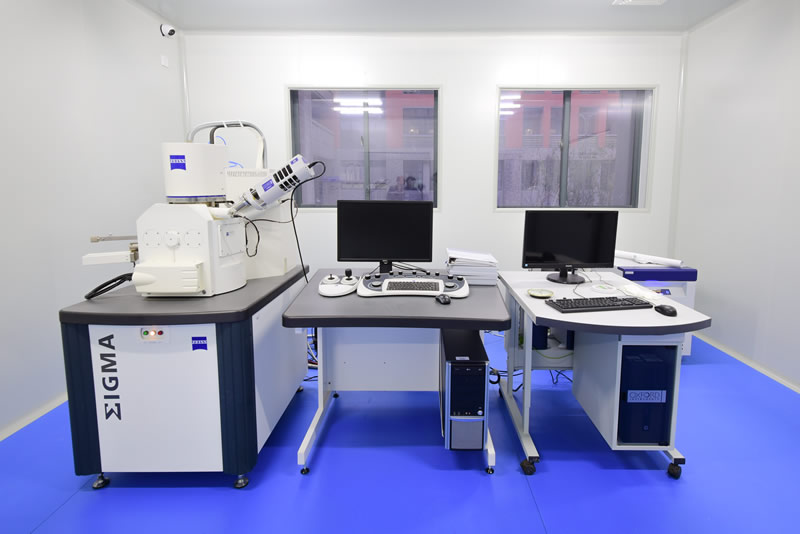 大型表征仪器
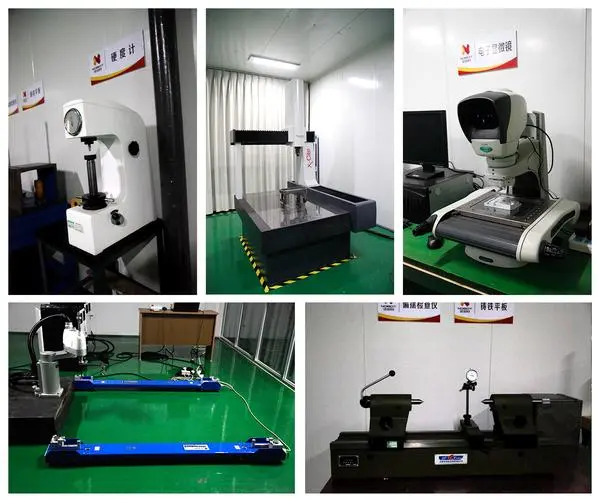 小型测试设备