Accurate UV light detection is a crucial component in modern optoelectronic technologies. Current UV photodetectors are mainly based on wide-bandgap semiconductors (WBSs), such as III–V semiconductors. However, conventional WBSs have reached a bottleneck of low integration and inflexibility. In this regard, low-dimensional WBSs, which have suitable UV absorption, tunable performance and good compatibility, are appealing for diversified UV applications. UV photodetectors based on low-dimensional WBSs have broad application prospects in imaging, communication, multispectral and/or weak light detection and flexible and wearable electronics. This Review focuses on the progress, open challenges and outlook in the field of UV photodetectors on the basis of low-dimensional WBSs. We examine how material design, dimensionality engineering and device engineering of WBSs can control their morphological structures and properties and attempt to clarify the interplay among material growth, device structure and application scenarios.
周老师: 13321314106
王老师: 17793132604


邮箱号码: lub@licp.cas.cn





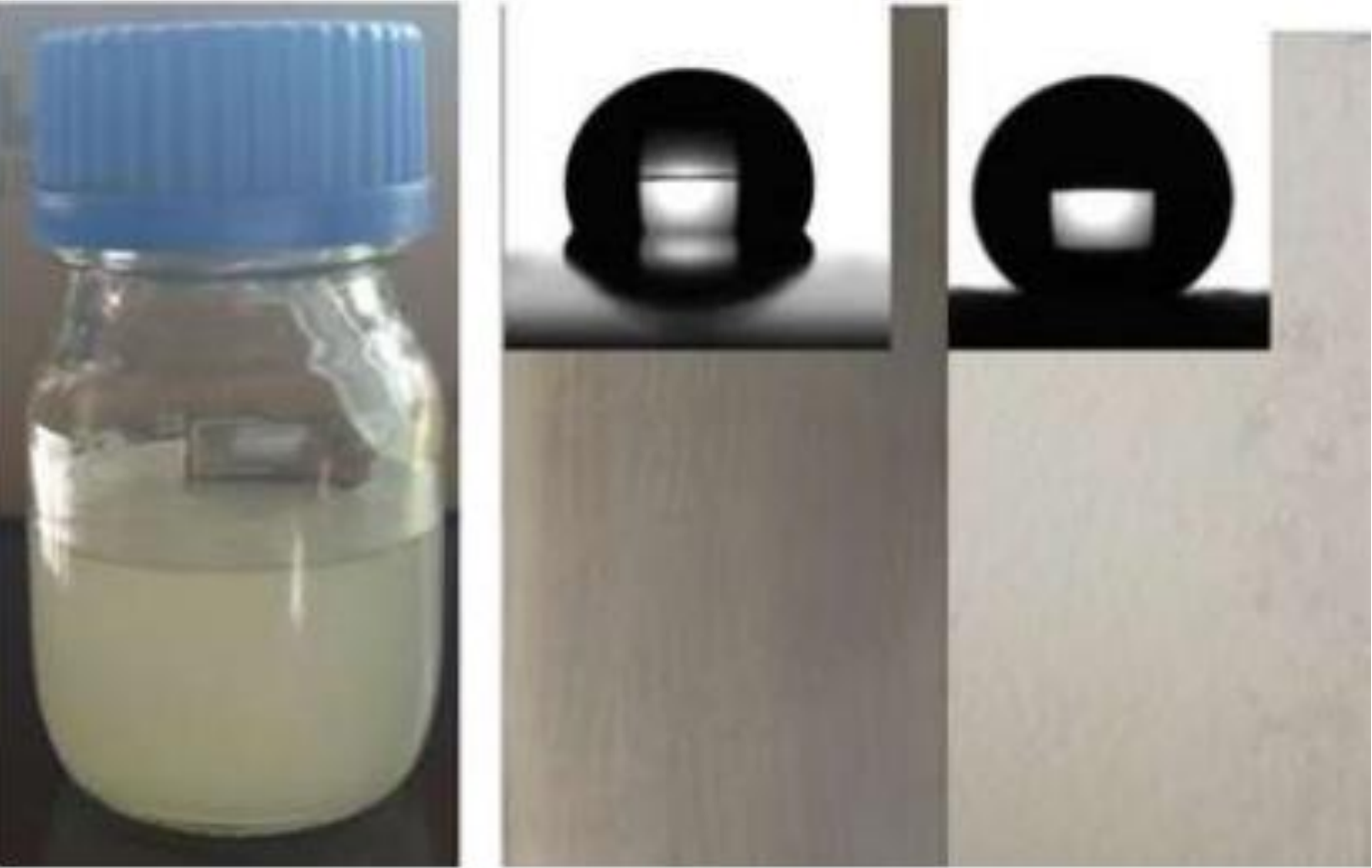
 润滑剂
润滑剂
 润滑油添加剂
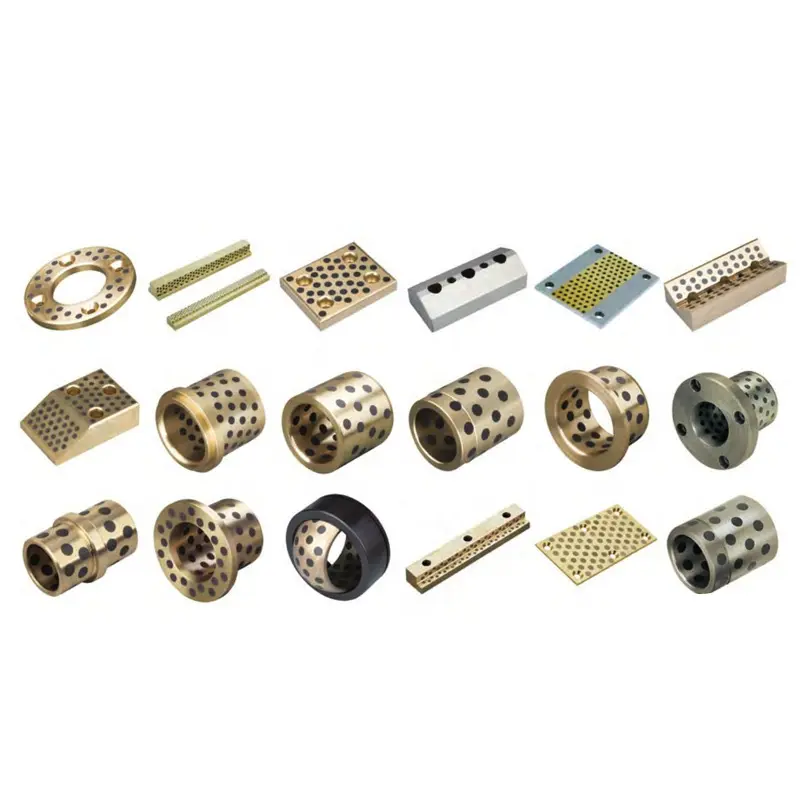 自润滑材料
自润滑材料
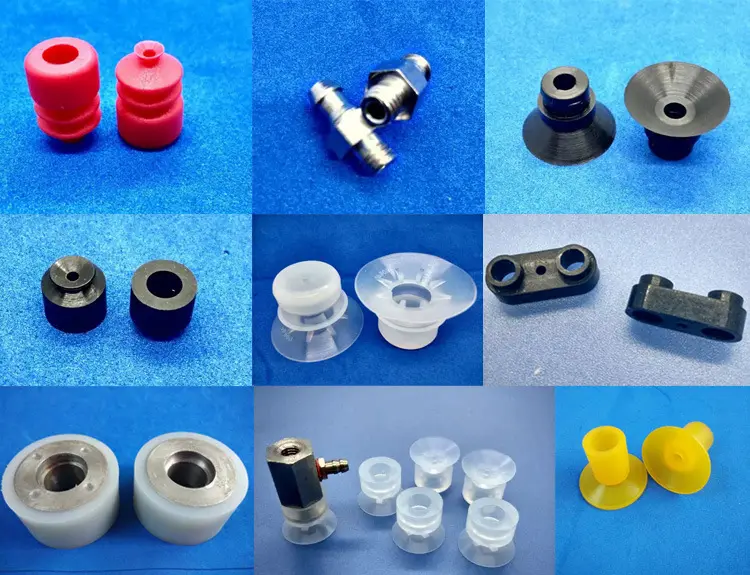 密封材料
密封材料
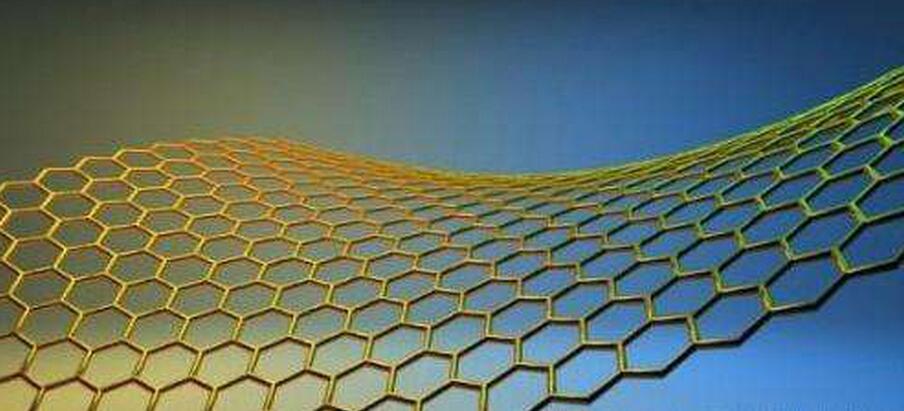 新兴材料
新兴材料
 加工设备
加工设备
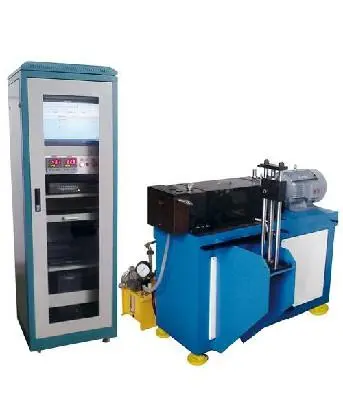 摩擦试验机
摩擦试验机
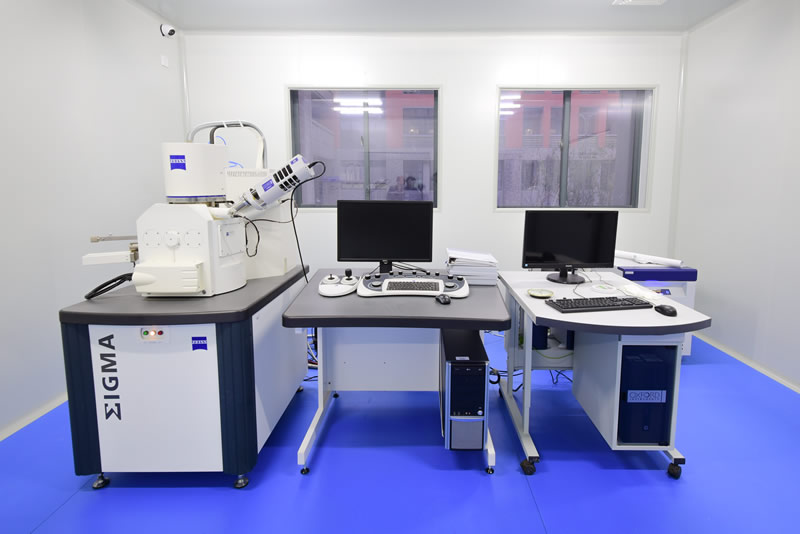 大型表征仪器
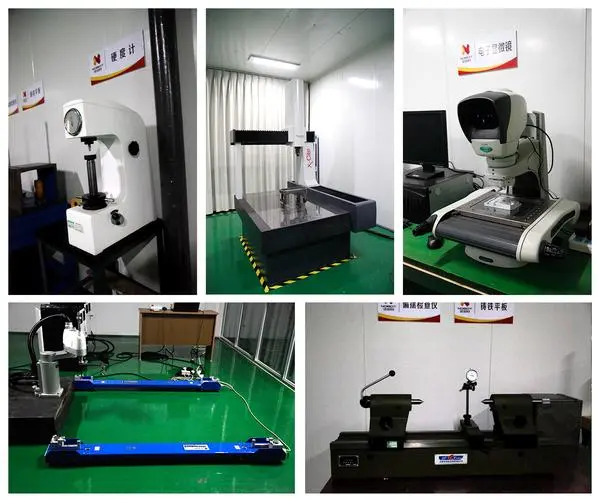 小型测试设备